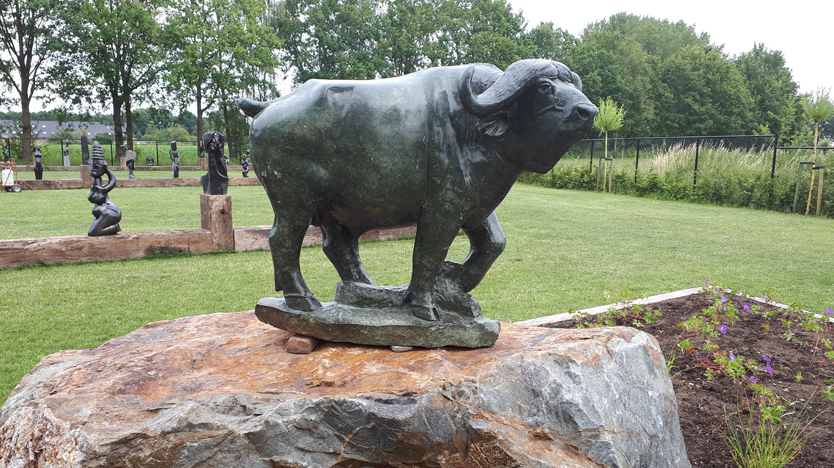
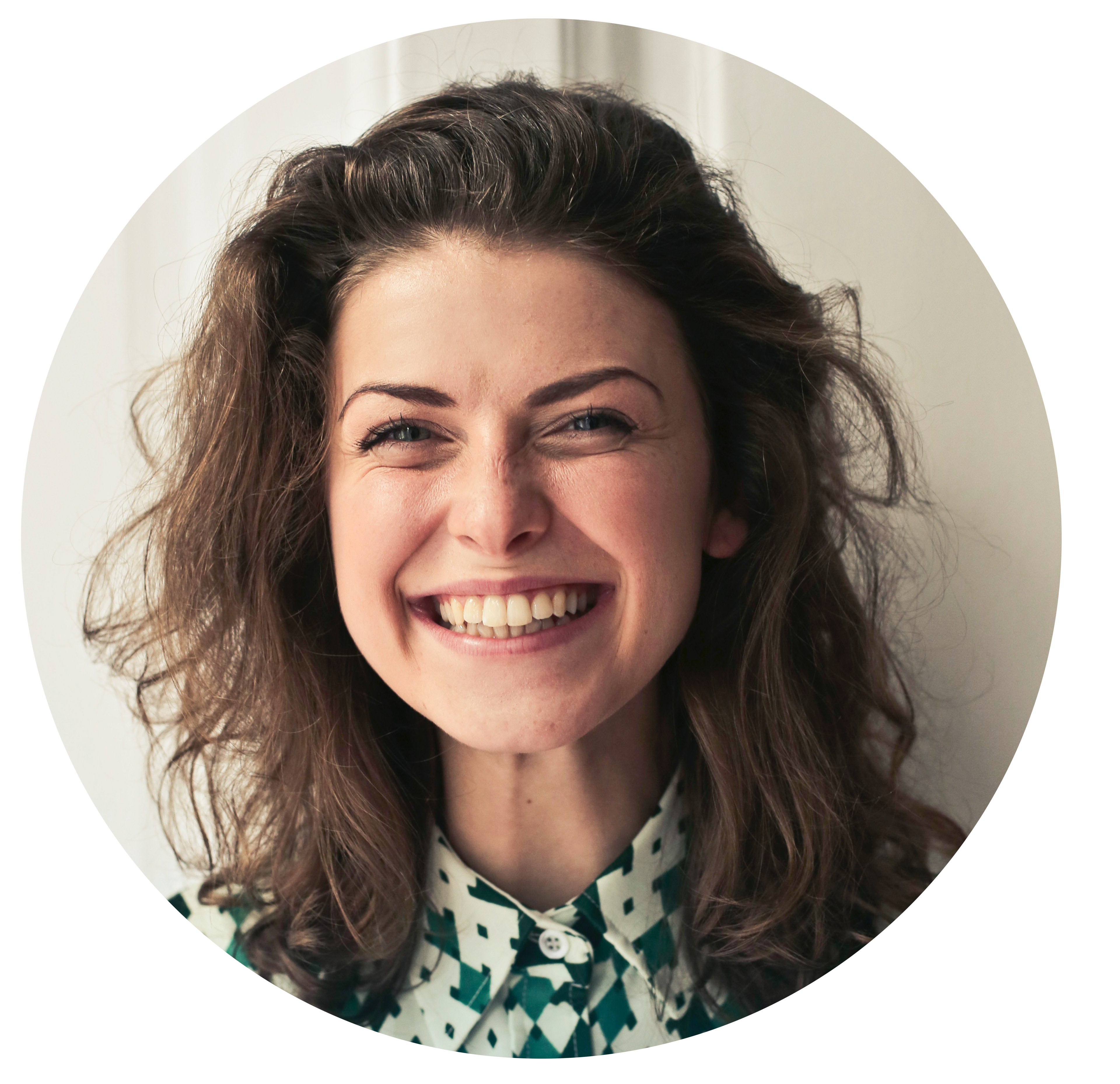
Kries was born in Norwich. She completed her training as a registered nurse in Norwich in 1980. Afterwards she started teaching herself how to be a sculptor. Nowadays she works as an accountant but she also likes to make scultpures in her free time. She also sells these sculptures at local fairs in the Netherlands where she resides now. Her sculptures are abstract represantations of things she ‘sees’ in the stone. When Kries first gets a stone she tries to get a feel of what the object inside of it ‘is’ and then tries to extract that sculpture from the raw stone by only removing the minimal amount of material. The interplay of materials and shapes are the things that interest Kries the most. Texture, colour and form all combine into one in her artworks. The first artwork she made was “Nelly the hippo” which she made at a workshop. She's been hooked on sculpting ever since. Kries's images also reflect her environment and where she lives. She moved to Heerlen several years ago and her scultpures reflect herself as much as the environment around her.
You buy a particular stone because you find its size and shape suitable for your creations, or because the color and patterns are extraordinary. The weight, within your lifting capacity, plays a role, though it seems you occasionally miscalculate—understandable given the variations in weight among stones of similar dimensions. Yet, you embrace the challenge, even if the chosen stone is a bit heavier than anticipated. Many raw stones appear gray or grayer, concealing their true colors and patterns until the final touches. The top layer might differ from the layers beneath, and a portion of a stone may reveal unexpected color variations. The ultimate hue remains a delightful surprise. You're a purist when it comes to sculpting, relying solely on manual tools, steering clear of electric ones. The sculptures showcased on your website are crafted from various stone types: serpentines, springstone, ruwinka, speksteen, and alabaster. Each stone variety holds its uniqueness, adding depth to your artistic expressions. The numbers in the text correspond to the images below, which can be enlarged by clicking on them, just like throughout the rest of the website.

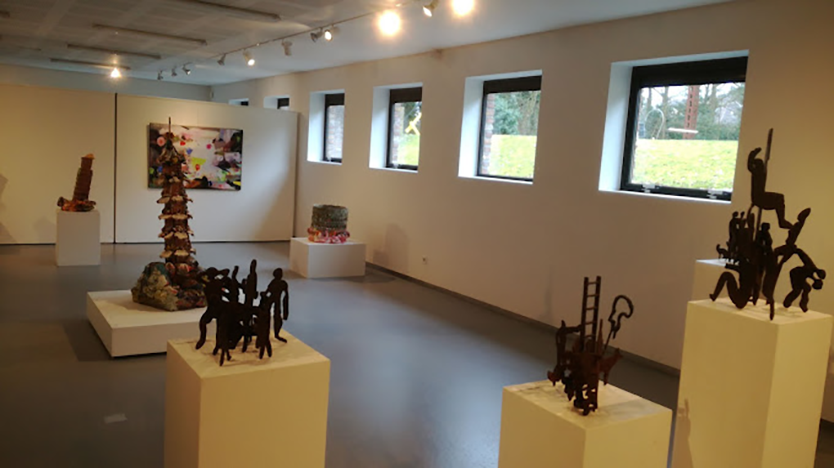
Nath was born in Manchester. She completed teacher training in Manchester for the subjects drawing and handicrafts and English. Afterwards she successfully completed the study 'Culture and Science' at the University of Liverpool. Nowadays she is self-employed in the field of creativity, art and education. She makes paintings (also commissioned), murals and sculptures from stone. Her paintings and sculptures are representations of nature and the relationship between society, nature and man. As human beings, we want to feel freedom; we want to be free. Although in this society we feel that we are free, we are still bound to all kinds of rules. Often we also seek a certain freedom in nature, but then we find that society as we know it has alienated us from it. Nature is a search and then it turns out that nature too has rules, rules that are stricter than those of a society. So which is worse: being stuck with the rules of a society or those of nature?
A depiction of this dilemma is the image "Motherhood Explosion. As a mother, you feed your child (represented by holding the breast) and give it love (represented by the left hand holding the breast. This hand is closer to the heart; love). But you cannot prepare your child for what it will face later in the world (climate crises, war and so on) and this is where a mother's head may explode. Many of Nath’s images show human and animal figures that are either deformed or missing limbs. Here it is not about showing the beauty of the human being, but about inclusiveness and the beauty of the material, colours and shape of the stone. In other words, the beauty of nature itself. Nath’s nature paintings are much also about colour. Nature can hold you captive, but it is also colourful and has beauty. For example, trees can sometimes be seen as bars and water as an unbridgeable blockade. But at the same time, it is a splash of colour. Then it is striking that each colour has very many nuances and the boundaries with other colours are difficult to establish. In the colourful "Recycle Series," made with leftover dried paint, Nath’s environmentally consciously shows her love of nature. The paintings use saved up leftover paint from herself and her students. As a result, less paint is wasted or washed away.
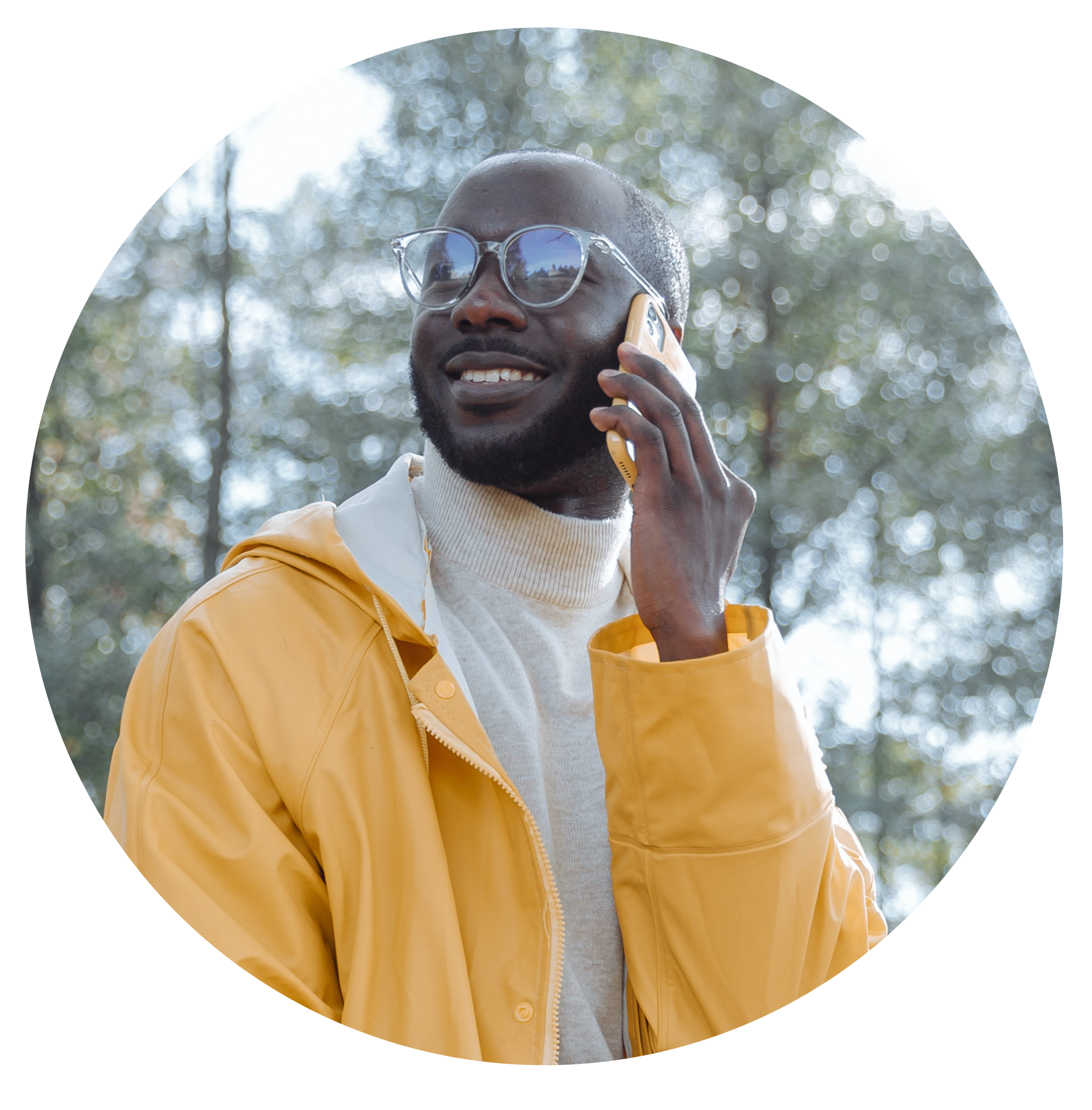
Meet Ludak, a vibrant young artist bursting with creativity! Hailing from a small town, Ludak's passion for art started early, doodling on anything he could find. With a heart full of dreams and a sketchbook in hand, he ventured into the world of colors and shapes. Ludak's art is a kaleidoscope of emotions. His paintings tell stories of joy, curiosity, and the beauty he sees in everyday moments. You can often find him experimenting with different mediums, from bold acrylics to delicate watercolors. Despite his tender age, Ludak has a knack for capturing the essence of life on his canvas. His artistic journey is a blend of learning and self-discovery, each stroke reflecting his evolving style. Inspired by nature and the diverse people around him, Ludak believes that art is a universal language that can connect hearts and minds. With a backpack full of brushes and a heart full of dreams, Ludak is on a colorful adventure, spreading positivity through his art. His creations are a testament to the boundless imagination and untamed spirit of a young artist navigating the exciting world of self-expression.